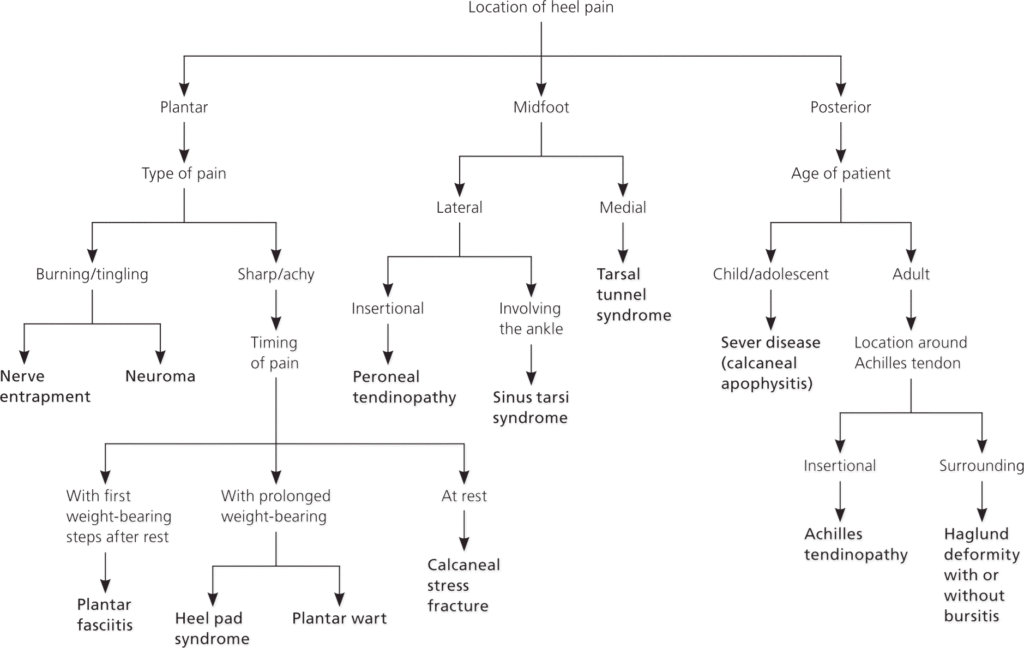
Depending upon the structures involved like bone, soft tissues or neurovascular incoordination may lead to a heel pain.
It can be felt on the under surface of heel, back of the heel or side of the heel. some of the common heel pains are enumerated here.
Every mile you walk puts 60 tons of stress on each foot. Your feet can handle a heavy load, but too much stress pushes them over their limits. The nature of the pain and distribution of pain varies from person to person, depending upon their nature of work, body weight and other associated factors like previous trauma, diabetes or it can be life style related factor.
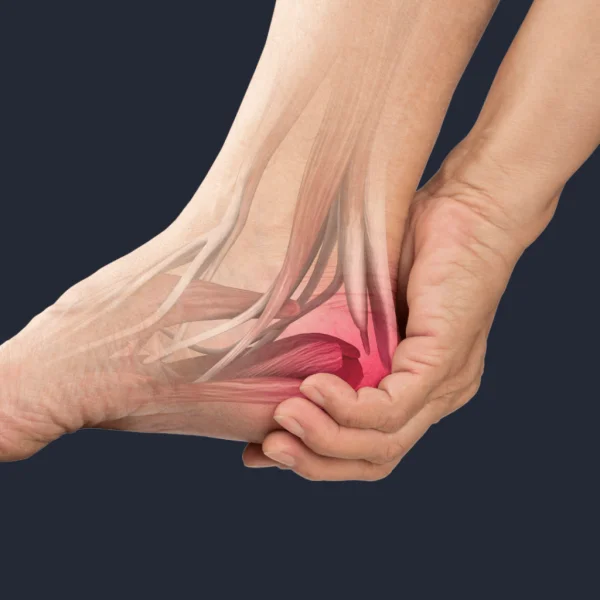
- If it hurts under your heel, you may have one or more conditions that inflame the tissues on the bottom of your foot: Plantar fasciitis-(sub calcaneal pain). Doing too much running or jumping can inflame the tissue band (fascia) connecting the heel bone to the base of the toes. The pain is centered under your heel and may be mild at first but flares up when you take your first steps after resting overnight. As you get up and move, the pain normally decreases, but it might return after long periods of standing or when you stand up after sitting. The pain is usually worse after exercise, but not during it.
- You may need to do special exercises, take medication to reduce swelling and wear a heel pad in your shoe.
- Stone bruise-When you step on a hard object such as a rock or stone, you can bruise the fat pad on the underside of your heel. It may or may not look discolored. The pain goes away gradually with rest.
- Heel spur-When plantar fasciitis continues for a long time, a heel spur (calcium deposit) may form where the fascia tissue band connects to your heel bone. Your doctor may take an X-ray to see the bony protrusion, which can vary in size. Treatment is usually the same as for plantar fasciitis: rest until the pain subsides, do special stretching exercises and wear heel pad shoe inserts.
- If you have pain behind your heel, you may have inflamed the area where the Achilles tendon inserts into the heel bone (retrocalcaneal bursitis).
- People often get this by running too much or wearing shoes that rub or cut into the back of the heel. Pain behind the heel may build slowly over time, causing the skin to thicken, get red and swell. You might develop a bump on the back of your heel that feels tender and warm to the touch. The pain flares up when you first start an activity after resting. It often hurts too much to wear normal shoes.
- Rest…..
- You may need to alter or limit activities that cause heel pain. …
- Analgesics and antiinflammtory …… Cold packs or heat packs..
- Poor response to medications or physiotherapy
- Shoe inserts or padding. …
- Footwear
- Steroid injection. … Surgery….
an x ray is sufficient to rule out the bony deformities or fracture. But when the x-rays are normal MRI or CT scan are needed to look for other abnormalities. Sometimes special test like NCV and color Doppler or angio is needed for charcots related arthropathy.
(in general )- need to be individualized depending upon the severity of pain and other comorbid condition and nature of work
- NSAID (to relieve pain and inflammation)
- Local steroid injection
- Physical therapy
- Orthotics
- Insoles
- Athletic Tapping
A night splint may be fitted to the calf and foot and kept on during sleep. This holds the plantar fascia and Achilles tendon in a lengthened position overnight and stretches them. But it is best to consult a medical professional before using them.
A sore heel will usually get better on its own without surgery if you give it enough rest. However, many people try to ignore the early signs of heel pain and keep on doing the activities that caused it. When you continue to use a sore heel, it will only get worse and could become a chronic condition leading to more problems like structural changes. Surgery is rarely necessary and it is reserved for the structural abnormalities when other modalities of treatment does not work.
Note:- always consult your doctor before starting treatment of your own. this is for the gross knowledge regarding heel pain only.